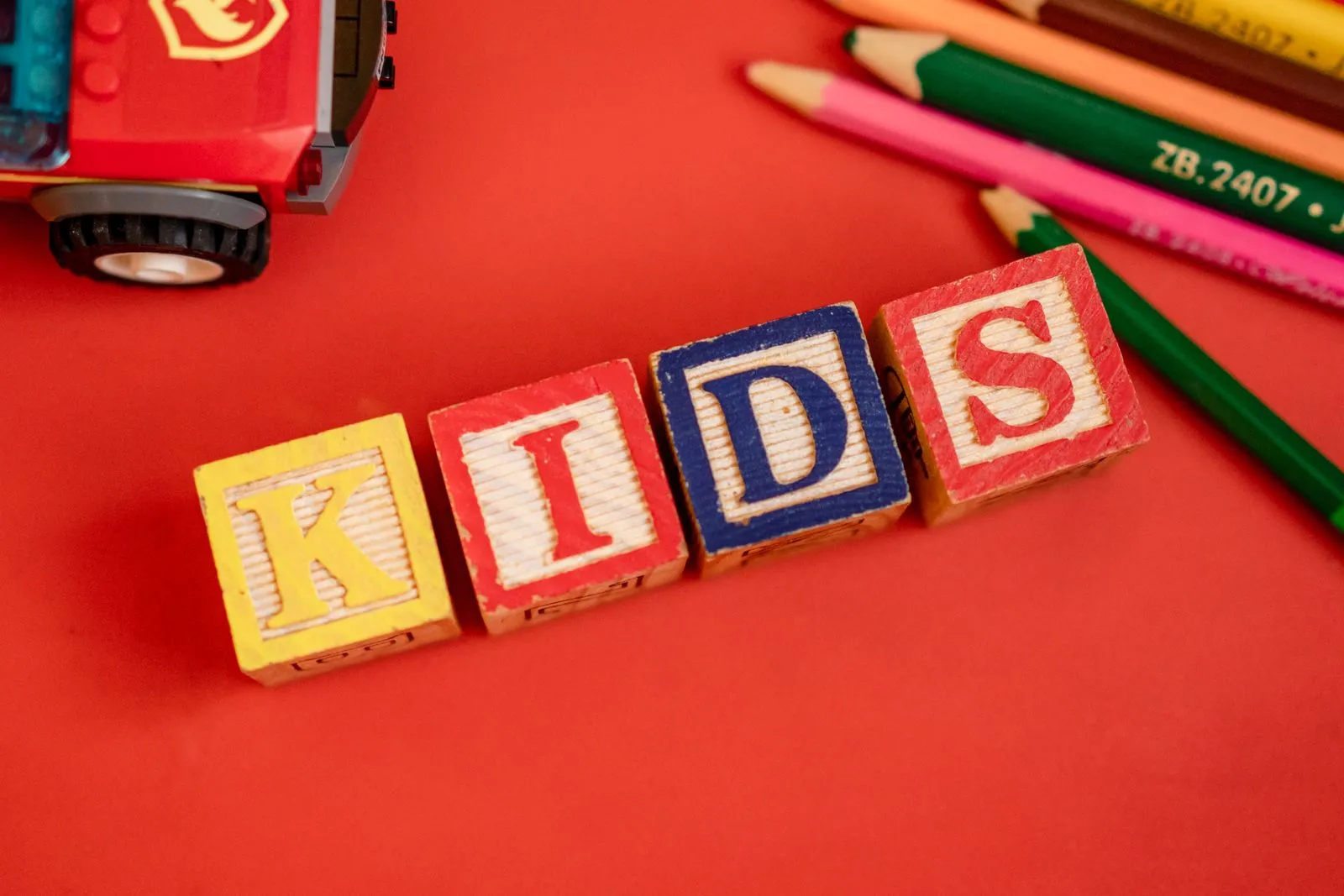
Some toys come with one clear way to play. Open-ended toys leave room for children to make the rules, change direction, and follow an idea wherever it leads. A set of blocks might become a bridge, a pet clinic, or a whole city by lunchtime. Choosing a few flexible toys can give kids plenty to explore without requiring complicated features. Here are practical options that support imaginative play at home, on trips, and during quiet afternoons.
Choose Pieces With Many Uses
Building blocks, wooden planks, stacking cups, and interlocking tiles can become structures, props, or parts of an invented game. Their value comes from how easily children can rearrange them. Look for pieces that are simple to handle and can be combined in different ways. A collection does not need to be large; a manageable number of pieces can make it easier for children to focus and put everything away.
To get started, set out a few materials and let your child decide what they might become. If the play stalls, offer a neutral prompt such as, “What could this piece do?” Avoid showing a finished model unless your child asks. Leaving the design open gives them room to test ideas, adjust a wobbly tower, and turn a construction into a new story.
Make Room for Pretend Stories
Simple figures, toy animals, dolls, and everyday play sets can support stories that change from one session to the next. A small animal might be a shopkeeper today and a mountain guide tomorrow. Add a few flexible props, such as fabric scraps, cardboard boxes, or toy food, and children can create settings without needing a detailed playset for every scenario.
Keep pretend-play materials easy to reach, then rotate a few items when interest fades. A basket of figures beside blocks can inspire a town; a scarf can become a river, blanket, or superhero cape. Follow your child’s lead instead of directing the plot. Listening to their ideas and asking an occasional open question helps sustain play without taking over.
Offer Materials for Making
Art and craft supplies invite children to turn an idea into a project, even when the result is not planned in advance. Paper, washable markers, modeling dough, child-safe scissors, and reusable stickers provide different ways to draw, shape, cut, and combine. Choose supplies that match your child’s abilities, and supervise tools or small materials as needed.
An open-ended project does not need a sample to copy. You might place a few materials on the table and ask what your child wants to make, or simply let them begin. Save a clear surface for building and creating, and keep a container nearby for scraps that can be reused. These small steps make it easier to return to an unfinished idea later.
Let Play Change Over Time
A flexible toy can stay interesting because children bring new skills and ideas to it as they grow. Blocks used for simple stacking can later support planning a maze or acting out a story. Rather than judging a toy by how many features it has, notice whether your child returns to it and finds fresh ways to use it.
Mix familiar toys with safe household objects, such as empty boxes, paper tubes, or clean containers, after checking for sharp edges and other hazards. Give children enough uninterrupted time to explore, and let them decide when a game is finished. At Spruce Toy Shop in Portland, families can look for versatile playthings that leave the ideas in children’s hands.
Open-ended play grows from toys and materials that can serve more than one purpose. A few building pieces, pretend-play props, and creative supplies can inspire games, stories, and projects without prescribing the outcome. Start with what your child enjoys, make materials easy to access, and give their ideas room to develop. Visit Spruce Toy Shop to explore simple options for imaginative play.