Choosing a toy is easier when you look beyond the age printed on the package. A child’s abilities, interests, and preferred way of playing all affect whether a toy will feel exciting or frustrating. Age guidance can help you rule out toys with small parts or other hazards, but it is only a starting point. Use these simple checks to find a gift that suits the child today and gives them room to explore.
Start With Age and Safety
Check the age range on the packaging first, especially when buying for a baby or toddler. Manufacturers use these labels to flag developmental suitability and safety concerns, such as small parts that can pose a choking risk. For children under three, avoid toys with pieces that fit entirely in a small-parts tester or could easily come loose.
Consider the child’s actual abilities, not just their age. A toy designed for older children may have steps or rules that are too challenging, while a familiar toy can still be a good choice if it encourages new ways to play. Follow all warnings, inspect toys for loose or broken pieces, and choose sturdy materials that suit how the child handles things.
Follow Their Interests
Think about what the child chooses to do in their free time. A child who loves animals might enjoy figures, a wildlife puzzle, or a pretend-care set. One who likes building may prefer blocks or construction toys. The best choice does not need to match a passing favorite perfectly; it should offer a way to explore a theme the child already enjoys.
When you are unsure, ask a caregiver what the child is interested in and what they already own. Consider the home, too: a large play set may be difficult to store in a small space, and a noisy toy may not suit every household. Open-ended toys, such as blocks, art supplies, or pretend-play props, can work across several interests and invite different uses.
Match the Stage of Play
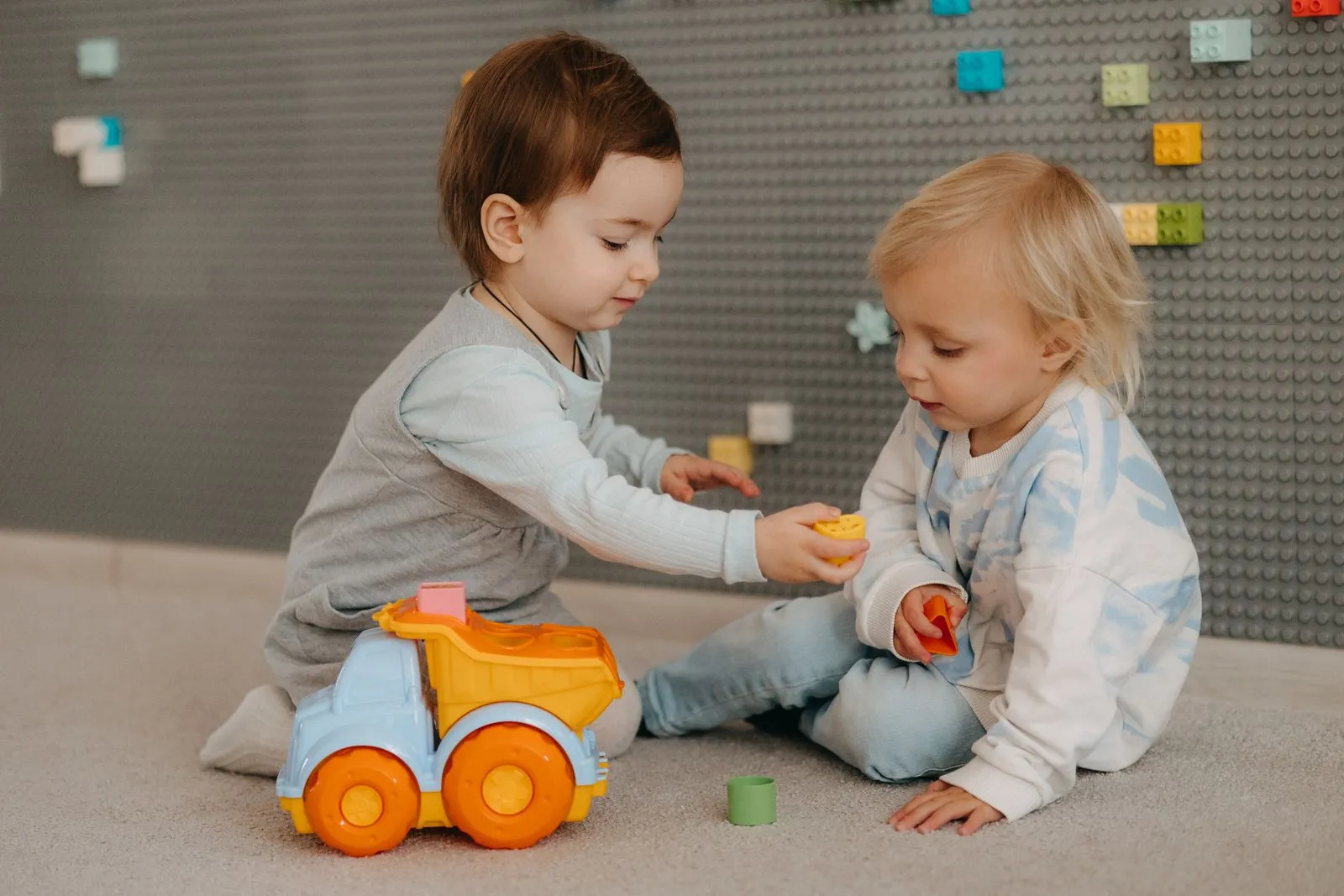
Babies often explore by looking, listening, reaching, and mouthing, so choose age-appropriate toys that are easy to grasp, washable, and free of detachable small parts. Toddlers may enjoy stacking, sorting, pushing, and simple pretend play. Look for toys that let them repeat an action safely and see what happens.
Preschoolers often begin creating stories, building more elaborate structures, and trying simple games with others. Older children may enjoy challenges, detailed projects, strategy, or making things independently. These are broad patterns, not rules. Watch how the child plays: if they like experimenting, choose a toy with several possible uses; if they enjoy clear goals, look for a puzzle or game suited to their current skills.
Choose the Right Challenge
A toy should be engaging without requiring so much help that the child loses interest. Look for a small stretch beyond what they can already do, such as a slightly more complex puzzle or a building set with a few new pieces. If the toy has instructions, check whether the child can follow them alone or will enjoy working through them with an adult.
Think about how the toy can grow with the child. Simple pieces that support sorting, building, storytelling, or pretend play may stay useful as skills develop. For a gift, include a practical detail such as batteries or storage needs when relevant, and check that the toy’s instructions and parts are complete before giving it.
A thoughtful toy fits the child’s safety needs, sparks an existing interest, and offers a comfortable next step in play. Use age labels as a guide, then consider abilities, space, and how the child likes to explore. If you are choosing a gift, ask a caregiver for a little guidance or visit Spruce Toy Shop to browse options.